If you are dreaming about North Shore living, Haleʻiwa offers a version of homeownership that feels very different from a typical suburban neighborhood. Life here is shaped by a small-town setting, a historic main street, easy access to the ocean, and a pace that follows the rhythms of surf, traffic, and local routines. If you are considering buying in this part of Oʻahu, it helps to understand not just what homes look like, but what day-to-day ownership actually feels like. Let’s dive in.
Haleʻiwa feels like a real town
One of the first things many buyers notice is that Haleʻiwa feels compact and grounded in place. According to the DBEDT North Shore profile, Haleʻiwa’s estimated resident population is 4,708, with a commuter-adjusted population of 4,134. That smaller scale supports a true country-town atmosphere instead of a spread-out suburban one.
The community is also shaped by long-term planning goals. Honolulu’s North Shore Sustainable Communities Plan calls for Haleʻiwa and nearby Waialua to remain low-rise country towns with open space, rural character, and limited-scale development. For you as a homeowner, that means the overall feel of the area is intentionally protected.
Homes reflect North Shore character
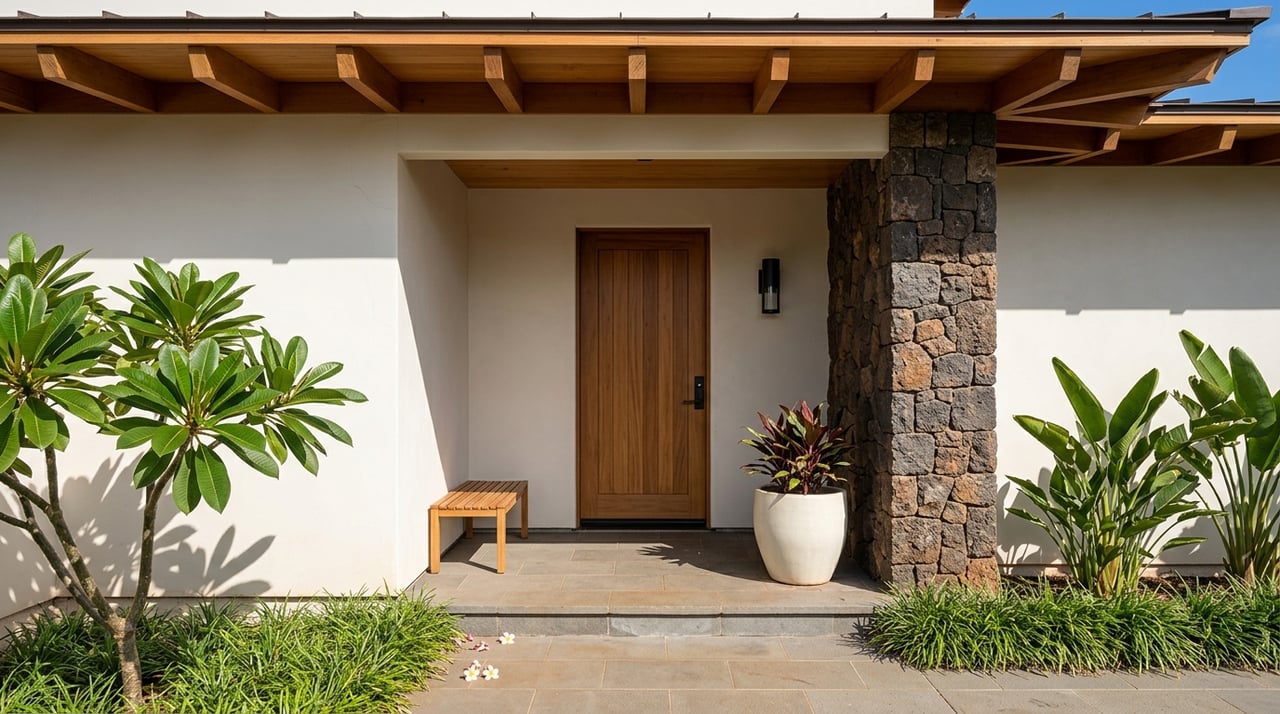
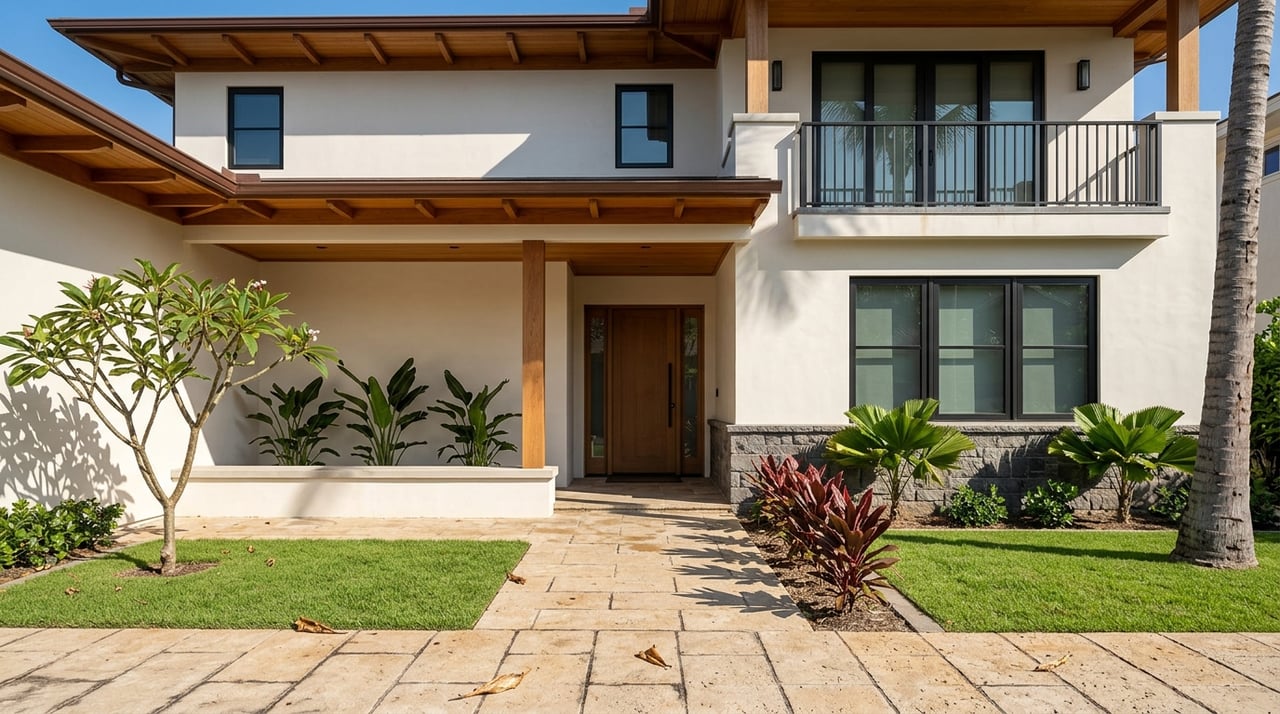
Owning a home in Haleʻiwa often means living in an area where outdoor space matters as much as the house itself. The North Shore plan describes much of the area’s housing as low-density, with one- and two-story single-family homes on larger lots. Some areas include rural homes on one-acre-or-more lots, while others include rural-residential lots under one acre and a limited number of low-density apartment pockets near town centers.
In Haleʻiwa’s country-town core, buildings are generally limited to two stories and are expected to reflect early-1900s and plantation-style architecture. The same plan encourages smaller building footprints, less lot coverage, more open space, and landscaping that reduces paved surfaces. In practical terms, many homes feel connected to the land, with yards, greenery, and a stronger indoor-outdoor lifestyle than you might expect in more urban parts of Honolulu.
Daily life is walkable and outdoorsy
One of the biggest lifestyle benefits of living in Haleʻiwa is how much everyday life happens close to town. The commercial core includes shops, restaurants, service businesses, professional offices, surf shops, farmers’ markets, recreation uses, marine-related businesses, civic services, and cultural attractions, according to the North Shore plan. That gives you a daily routine that can feel local and place-based rather than car-centered.
The plan also emphasizes pedestrian activity along Kamehameha Highway, with connections to beach parks, Haleʻiwa Harbor, and Loko Ea Pond. Honolulu’s Complete Streets work includes the Haleʻiwa Road Multi-Use Path, which is intended to improve access between Waialua and Haleʻiwa and connect people to Haleʻiwa Boat Harbor, Aliʻi Beach Park, Kaiaka Bay Beach Park, and Haleʻiwa Town. If you enjoy being outside, that access can become part of your normal weekly rhythm.
The harbor adds to the lifestyle
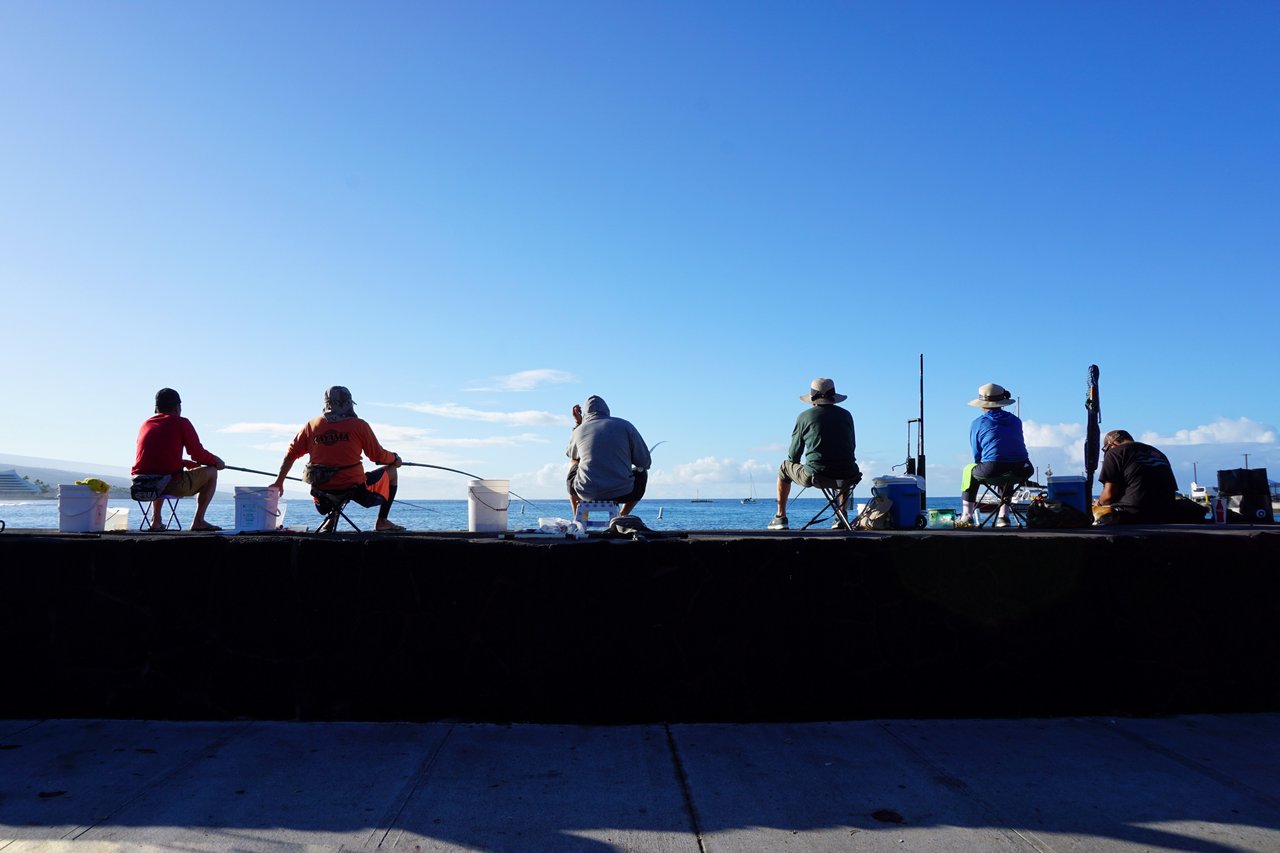
For some homeowners, proximity to the water is not just about views or beach time. It is also about boating, paddling, fishing, and harbor access. The state boating division says Haleʻiwa Harbor includes 96 berths, 23 moorings, three launch ramps, dry storage, vessel washdowns, restrooms, and other boating facilities.
That marine access is part of what makes ownership here feel distinct. Even if you do not own a boat, living near an active harbor can shape the character of the area and reinforce the North Shore’s strong connection to the ocean.
Visitor traffic is part of the experience
Haleʻiwa is residential, but it is not isolated from tourism. The North Shore plan notes that Haleʻiwa has long been a visitor destination and that surf culture is part of the area’s identity. So while the resident population is relatively small, the day-to-day feel can shift depending on the season, surf conditions, and visitor volume.
The DBEDT profile estimated 12,088 visitors present on a typical North Shore day in 2023. For you as a homeowner, that means some days may feel relaxed and quiet, while others bring more traffic, busier streets, and a livelier town center. Many buyers see that as part of the tradeoff for living in one of Oʻahu’s most recognizable coastal communities.
The town stays intentionally low-scale
A major part of Haleʻiwa’s appeal is that growth is tightly managed. The North Shore plan says the town should retain its historic character and limited scale, and that visitor lodging should remain small and compatible with the town rather than resort-like. It also states that resort zoning is not appropriate and discourages the expansion of bed and breakfasts and vacation rentals.
That planning approach helps explain why Haleʻiwa still feels residential first and visitor-oriented second. If you want a home in a community where the built environment is intended to stay closer to its historic scale, this is a meaningful part of the ownership picture.
Access requires patience and planning
Living in Haleʻiwa also means adjusting your expectations around access. The North Shore plan supports keeping Kamehameha Highway as a two-lane thoroughfare through town, which fits the area’s slower and more rural character. At the same time, it means road capacity is limited compared with urban Honolulu.
That matters in everyday life. The Hawaiʻi Department of Transportation has announced North Shore lane closures, high-surf closures, and rehabilitation work on Kamehameha Highway, including sections between Waimea Bay and Haleʻiwa. If you own a home here, it is wise to build flexibility into your schedule and pay attention to changing road conditions.
Coastal preparedness is part of ownership
Because Haleʻiwa is a coastal community, homeownership also comes with practical safety planning. The Hawaiʻi Emergency Management Agency advises residents to check whether they live or work in a tsunami evacuation zone, keep a go-bag ready, and know their evacuation routes to higher ground.
This does not mean coastal ownership is unusual or unmanageable. It simply means being informed is part of responsible ownership. If you are considering buying in Haleʻiwa, understanding access, elevation, and emergency planning should be part of your decision-making process.
What owning in Haleʻiwa really feels like
In the end, owning a home in Haleʻiwa is less about subdivision convenience and more about living in a place with a strong identity. You are buying into a small North Shore town where homes, roads, and public spaces are intentionally kept in scale with the area’s rural character. That creates a lifestyle that feels beach-adjacent, outdoorsy, and deeply tied to local patterns of movement and place.
For the right buyer, that is exactly the draw. You get a home in a community shaped by historic character, open space, harbor life, and access to town and shoreline amenities, all within a setting that still feels distinct from urban Oʻahu. If you want help deciding whether Haleʻiwa is the right fit for your goals and lifestyle, Kristen Matthews offers a thoughtful, high-touch approach to buying and selling across Oʻahu and beyond.
FAQs
What is daily life like for homeowners in Haleʻiwa?
- Daily life in Haleʻiwa often centers on a compact town core with shops, restaurants, services, beach access, and harbor activity, creating a more outdoorsy and place-based routine.
What kinds of homes are common in Haleʻiwa?
- Haleʻiwa commonly features low-density one- and two-story homes, often with larger lots, outdoor space, and architecture that reflects the town’s historic and plantation-style character.
What should buyers know about traffic in Haleʻiwa?
- Buyers should know that Haleʻiwa’s small scale and two-lane road network can mean slower travel during busy visitor periods, surf events, road work, or high-surf closures.
What should homeowners know about coastal preparedness in Haleʻiwa?
- Homeowners should check whether a property is in a tsunami evacuation zone, keep emergency supplies ready, and understand routes to higher ground.
Why does Haleʻiwa feel different from other parts of Oʻahu?
- Haleʻiwa feels different because long-term planning is designed to preserve its country-town scale, historic character, open space, and rural North Shore identity.