Trying to choose between a single-family home, condo, or townhome in Kailua‑Kona? With Kona’s sun, salt air, and distinct microclimates, the right home is about more than floor plans. You want a place that fits your lifestyle, budget, and maintenance comfort level today and five years from now. This guide breaks down property types, local hazards, ownership costs, and neighborhoods so you can make a confident choice. Let’s dive in.
Start with property type
Single-family homes
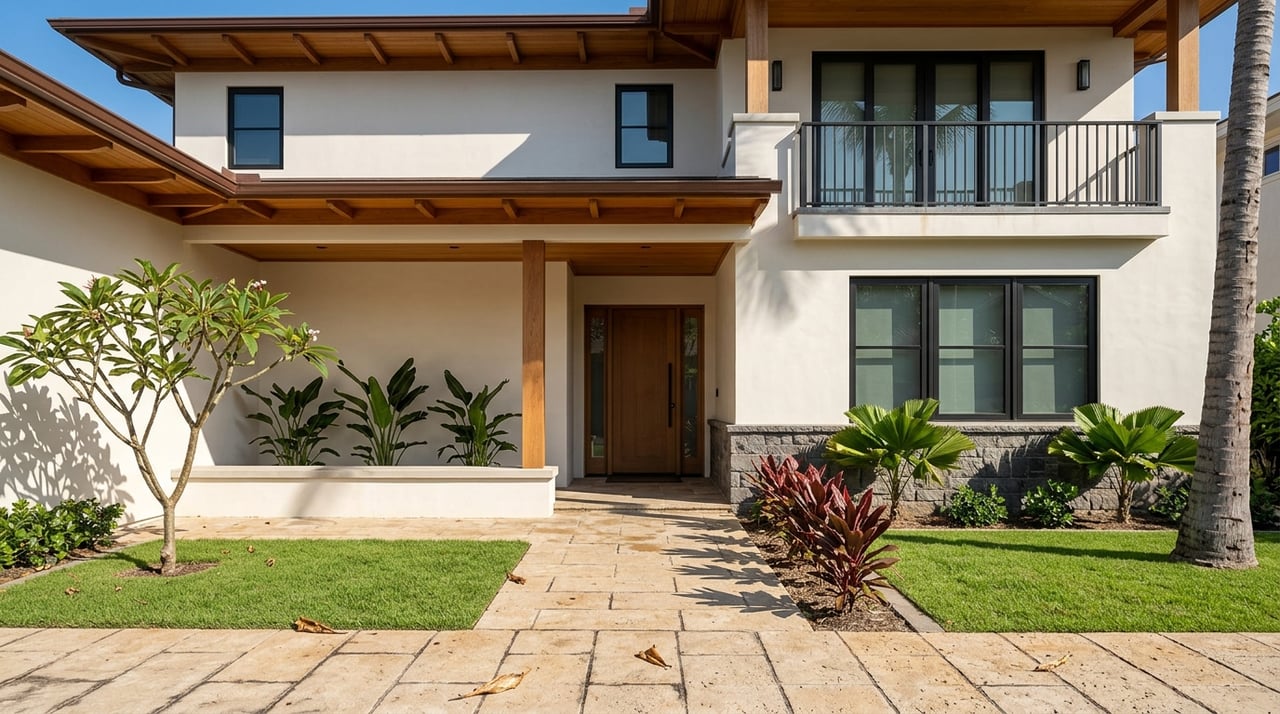
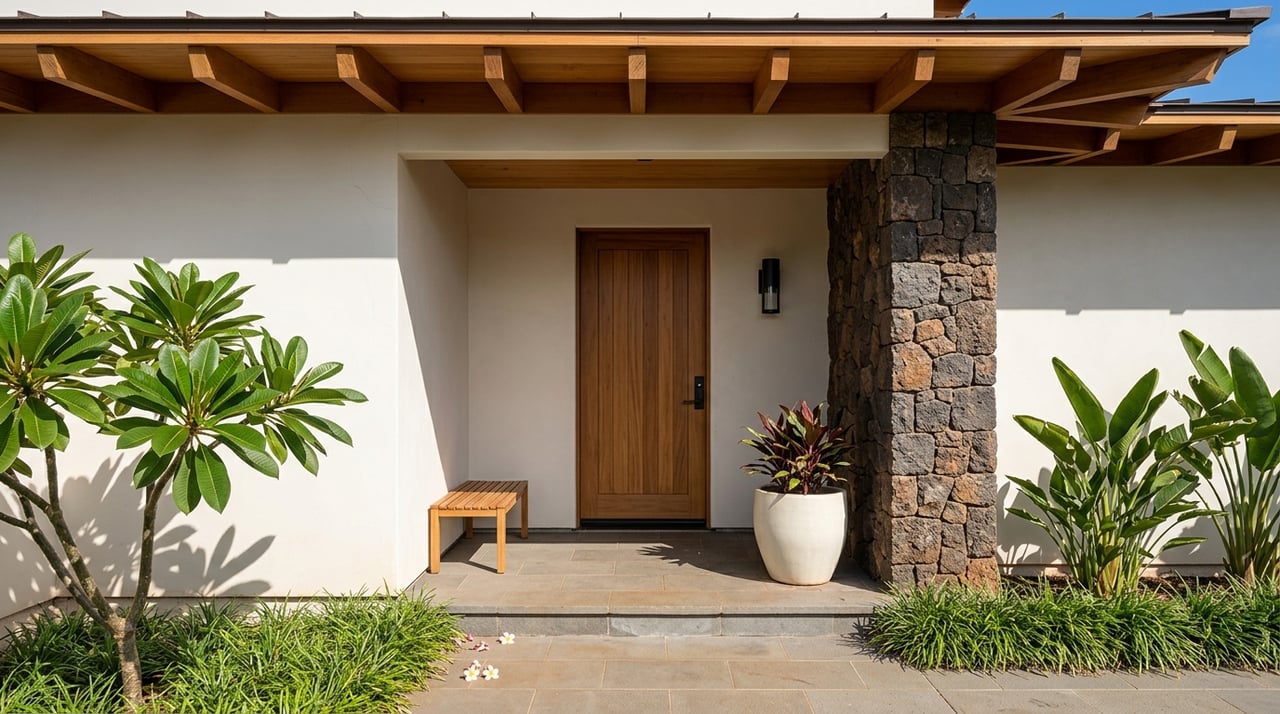
Single-family homes give you a private lot, more storage, and the freedom to personalize. Yards may be lava rock, xeriscaped, or grassy, and some homes include outbuildings.
Pros:
- Privacy, space, and easier expansion if zoning allows.
- Better fit if you want a yard, pets, or gardening.
- More control over rental use compared to shared buildings.
Cons:
- You handle roof, exterior, landscaping, and pest control.
- Insurance and property taxes can be higher depending on the parcel.
- Older homes may have cesspools or dated systems to upgrade.
Best fit: Relocating families or long-term residents who value space and flexibility, especially in cooler upland areas like Holualoa or parts of Kealakehe.
Condos
Condos concentrate near Aliʻi Drive, central Kona, and the Keauhou resort area. They offer lock-and-leave living and walkable access to dining and beaches.
Pros:
- Exterior maintenance and common areas are handled by the association.
- Often more affordable entry price for prime locations.
- Great for downsizers or part-time residents.
Cons:
- Monthly HOA fees can be substantial.
- Less privacy and outdoor space.
- Building rules can limit renovations, pets, or rentals.
Best fit: Buyers who want low-maintenance living close to amenities. If you plan to rent, confirm the building’s policies and county rules first.
Townhomes
Townhomes bridge the gap between single-family and condos. You get shared walls with a bit more space and sometimes a small yard.
Pros:
- More privacy and space than many condos.
- Often lower fees than high-amenity condo buildings.
- Manageable maintenance with some HOA support.
Cons:
- Shared walls and HOA rules still apply.
- Exterior upkeep can be shared or regulated.
Best fit: Households that want a manageable home with a little outdoor space and reasonable dues.
If you want to see how current inventory compares by type and location, check market data through the Hawaiʻi Association of REALTORS and local MLS resources.
Factor in Kona’s climate and hazards
Microclimates and comfort
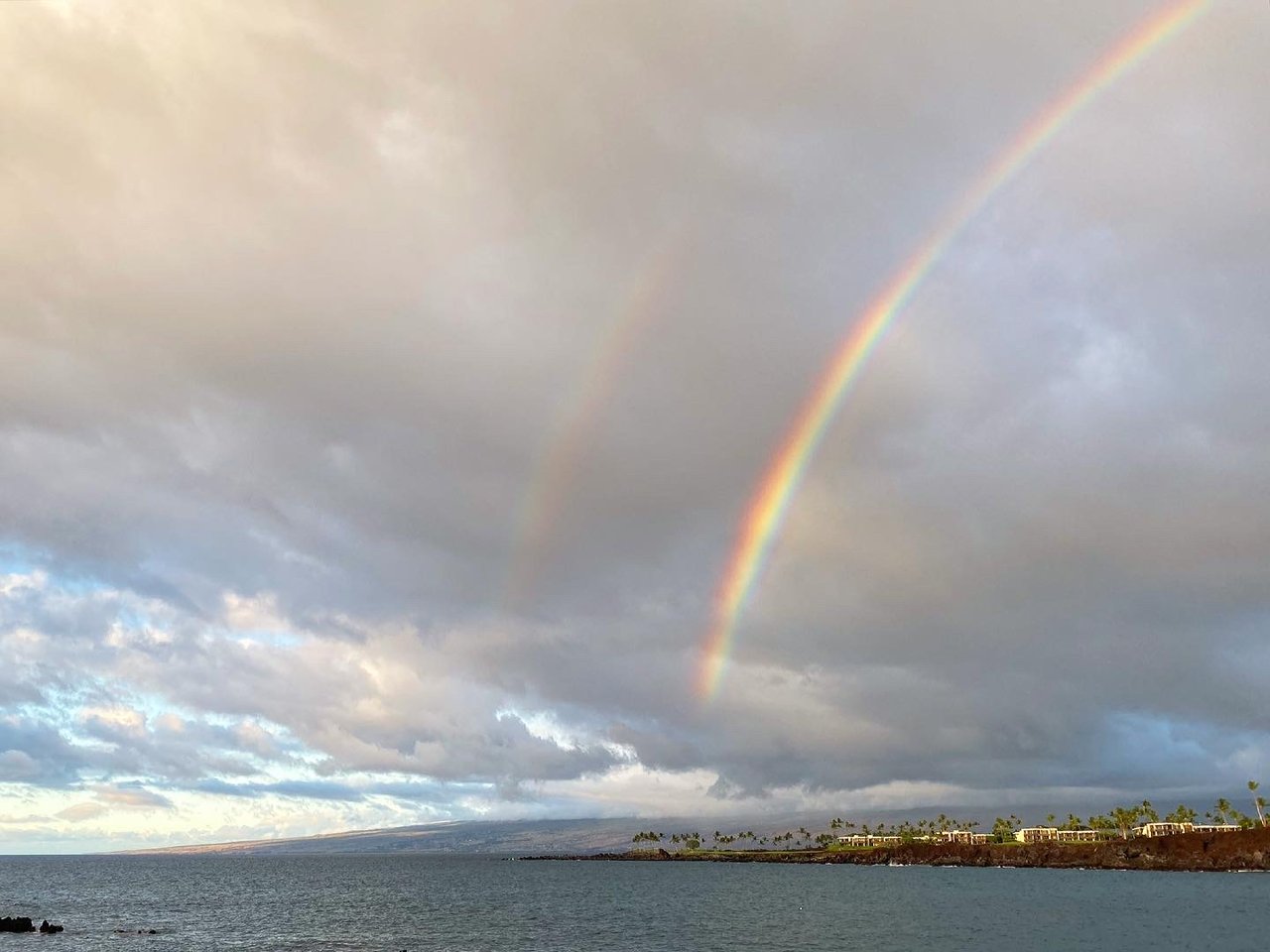
Kailua‑Kona sits on the drier, sunnier west side of Hawaiʻi Island. Elevation changes everything. Higher areas like Holualoa tend to be cooler and get more rain, while the coastline is warmer and drier.
- Look for ceiling fans, shaded lanais, and good cross‑breezes for comfort.
- Expect more wear on exterior paint and finishes due to sun and UV.
- Choose materials and hardware that handle heat and humidity well.
Coastal exposure and maintenance
Salt air near the ocean accelerates corrosion on metal fasteners, railings, and even HVAC components. If you love living close to the water, plan for:
- More frequent roof fastener checks and exterior maintenance.
- Regular window and screen upkeep.
- Protective coatings on metal fixtures.
Natural hazards to check
- Flood risk: Some coastal parcels lie in FEMA flood zones. Verify the property’s zone at the FEMA Flood Map Service Center and price flood insurance if required.
- Tsunami zones: Shoreline areas have evacuation routes. Review county maps and plan for seasonal visitors and event traffic.
- Volcanic hazards: Kona is generally outside the highest lava risk zones, but you should still review your specific area using USGS volcano hazard resources.
- Heavy rain events: Confirm site drainage and gutter systems, especially for sloped or upland lots.
Infrastructure to verify
Island properties vary more than many mainland homes. For each address, confirm:
- Water source: County water vs private catchment or shared system.
- Sewer, septic, or cesspool: Many older homes still use cesspools. Learn about upgrade expectations from the Hawaiʻi Department of Health.
- Road access: County‑maintained roads vs private road associations with possible dues.
- Connectivity: Internet and cell service can vary in upland pockets.
Understand total ownership costs
Price and payment are only part of the picture. Compare these items across the homes you like.
- Property taxes: Rates depend on use and assessed value. Verify classification and exemptions through Hawaiʻi County.
- HOA dues: Condos and many townhomes have monthly or quarterly fees. Review budgets, reserve studies, and any special assessment history.
- Insurance: Hawaiʻi policies can cost more due to wind and replacement costs. For condos, an HO‑6 policy covers your interior while the HOA’s master policy covers common areas. Coastal locations can have higher premiums.
- Utilities: Check electric rates and options with Hawaiian Electric. Confirm water, wastewater, and any private association charges.
- Maintenance: Plan for roof, exterior paint, termite prevention, landscaping, pools, and HVAC care. Salt and sun shorten life cycles for exterior materials.
Plan for inspections and lending
In Kona’s climate, a thorough inspection set is essential.
- WDO/termite, roof and flashing, corrosion checks on metal components.
- Moisture and mold assessments for enclosed areas.
- Septic or cesspool evaluations and permits, plus water quality testing if not on county water.
- Structural review for foundations set on uneven volcanic rock and site drainage.
Many loans require adequate hazard insurance and property conditions. FHA and VA loans have additional standards. Ask your lender about any local underwriting rules around flood, wind, or older systems.
Know the rules that affect use
Short‑term rentals are regulated in Hawaiʻi County, and rules differ by zoning and building. Some condos allow vacation rentals while others prohibit or restrict them. If you want rental income, confirm county permit eligibility and building rules before you buy.
If you plan to rent for short stays, you are typically responsible for Transient Accommodations Tax and General Excise Tax. Keep records and comply with county and state requirements.
When a property has a cesspool, budget for future upgrades as the state works to reduce environmental impacts. Your timeline and options may depend on location and system type.
For zoning and permits, start with the main Hawaiʻi County site and connect with the Planning Department for property‑specific questions.
Match neighborhoods to your lifestyle
Every Kona micro‑area brings a different daily rhythm. Focus on how you live day to day.
- Downtown Kailua‑Kona and Aliʻi Drive: Walkable areas with dining, shops, and historic sites. Expect a mix of condos and older single‑family homes. Tourist seasons can increase activity and parking demand.
- Keauhou and Kahaluu: Resort‑style developments near golf and the bay. Many mid‑range to upscale condos, plus access to boating and water activities.
- Kealakehe and North Kona subdivisions: Residential neighborhoods with a range of lots and relatively newer construction. Good for full‑time living and proximity to services.
- Holualoa and upland zones: Cooler elevations with a rural feel and coffee farms. You trade some drive time for privacy and a quieter setting.
- South Kona and Captain Cook: More rural and scenic with agricultural parcels. Longer drives to central town but strong appeal for privacy and ocean access.
For school assignments and boundaries, explore the Hawaiʻi State Department of Education. Review commute times along Queen Kaʻahumanu Highway and Aliʻi Drive during your typical travel hours.
A smart buyer’s checklist
Use this quick list to compare homes side by side:
- Property type and lifestyle fit: Single‑family, condo, or townhome.
- Monthly costs: HOA dues, utilities, insurance, and estimated property taxes.
- Infrastructure: County water vs private, sewer vs septic vs cesspool.
- Hazard exposure: FEMA flood zone, tsunami evacuation zone, and volcanic hazard context.
- Inspections: WDO/termite, roof, moisture/mold, plumbing, electrical, septic/cesspool, and water quality if needed.
- HOA health: Budgets, reserves, rules on pets, rentals, and exterior changes.
- Access and easements: Road maintenance responsibility and any shared driveways.
- Rental rules: County STR permit eligibility and building policies.
- Neighborhood essentials: Proximity to grocery, healthcare, parks, and beaches.
- Resale factors: Elevation, views, amenities, and legal rental status.
How a design‑minded advisor helps
Buying in Kona is part lifestyle, part logistics. A boutique, design‑forward approach helps you see not only a home’s condition but also its potential. You get guidance on materials that hold up to salt and sun, floor plan tweaks that improve airflow, and the true cost differences between property types.
If you want private or off‑market options, or a calm, family‑friendly process with clear communication, connect for tailored advice. When you are ready to explore the right Kailua‑Kona home, schedule a free consultation with Kristen Matthews.
FAQs
What property type fits full‑time vs part‑time living in Kailua‑Kona?
- Full‑time residents often choose single‑family homes or townhomes for space and flexibility, while part‑time residents tend to prefer condos for lock‑and‑leave convenience and lower day‑to‑day maintenance.
How do Kona condo HOA fees work?
- HOA dues generally cover exterior maintenance, common areas, insurance for the building, reserves, and management; always review budgets, reserve studies, and special assessment history before you buy.
Which inspections are essential for Kona homes?
- Plan for WDO/termite, roof and flashing, corrosion checks, moisture/mold evaluation, septic or cesspool inspection, and water quality testing if not on county water, plus a general structural review.
How do microclimates affect comfort and upkeep?
- Lower elevations are hotter and drier, which increases UV wear and salt exposure, while upland areas are cooler and wetter, so prioritize airflow, shade, and materials suited to your specific elevation.
What should I know about short‑term rental rules in Hawaiʻi County?
- Short‑term rentals require compliance with county zoning and registration rules, and many HOAs set their own rental policies, so confirm both county eligibility and building rules before making an offer.
Do I need flood or volcanic hazard insurance in Kailua‑Kona?
- Flood insurance may be required if the home lies in a FEMA flood zone, and hazard coverage must meet lender standards; confirm your address at the FEMA Map Service Center and discuss specifics with your insurer and lender.