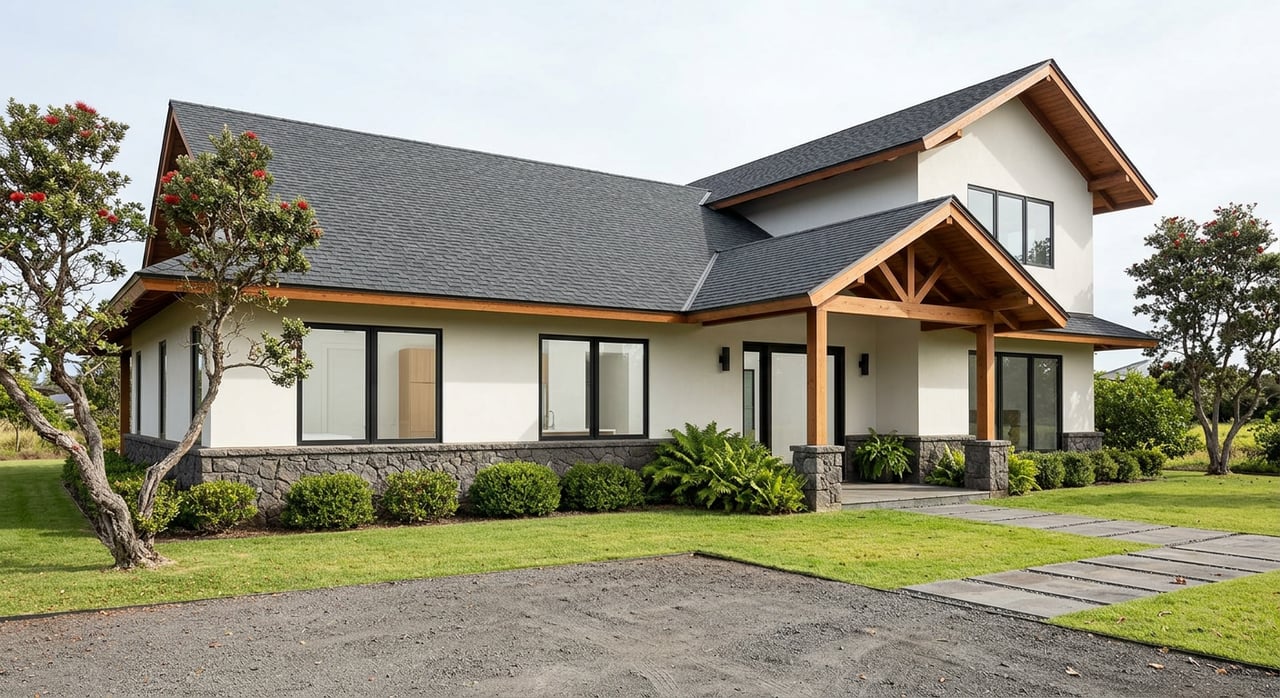
Are you picturing cool, misty evenings with pasture views or warm, salt‑air mornings steps from the ocean? If you are deciding between Waimea and Kailua‑Kona, you are really choosing a daily rhythm. Both offer West Hawaiʻi beauty, yet the feel of each place is very different. In this guide, you will compare climate, commute and conveniences, housing styles, and risk considerations so you can choose with confidence. Let’s dive in.
Big picture: two West Hawaiʻi lifestyles
Waimea, also called Kamuela, sits upcountry at roughly 2,600 to 2,700 feet, which brings cooler nights and a temperate feel. You will find a visible ranch landscape, open space, and a close community rhythm. By contrast, Kailua‑Kona hugs the sunny leeward coast near sea level and places you close to beaches, restaurants, and visitor amenities.
The two towns are about 40 miles apart by road. The drive commonly runs 35 to 65 minutes depending on route and traffic. Many people commute between them for work or errands, but they do not share the same walkable routine.
Climate and hazards that shape daily life
Elevation and weather feel
Waimea’s elevation brings a different wardrobe and energy use. Evenings can feel crisp, and daytime highs are often comfortable. The upcountry microclimate supports pasture and temperate crops. You can confirm Waimea’s elevation on this topographic reference.
Kailua‑Kona sits closer to sea level in the island’s rain shadow. Expect sunnier, drier days on average, especially around Aliʻi Drive and nearby beaches. Many homes lean on trade winds, shade, and fans for comfort, with air‑conditioning as needed.
Lava zones and coastal exposure
On the Island of Hawaiʻi, lava‑flow hazard zones range from 1 to 9, where 1 is the highest risk. Zones vary by volcano and slope. A few miles can change the zone, which can affect insurance and lending. Always check a parcel against the USGS lava‑flow hazard map early in your search.
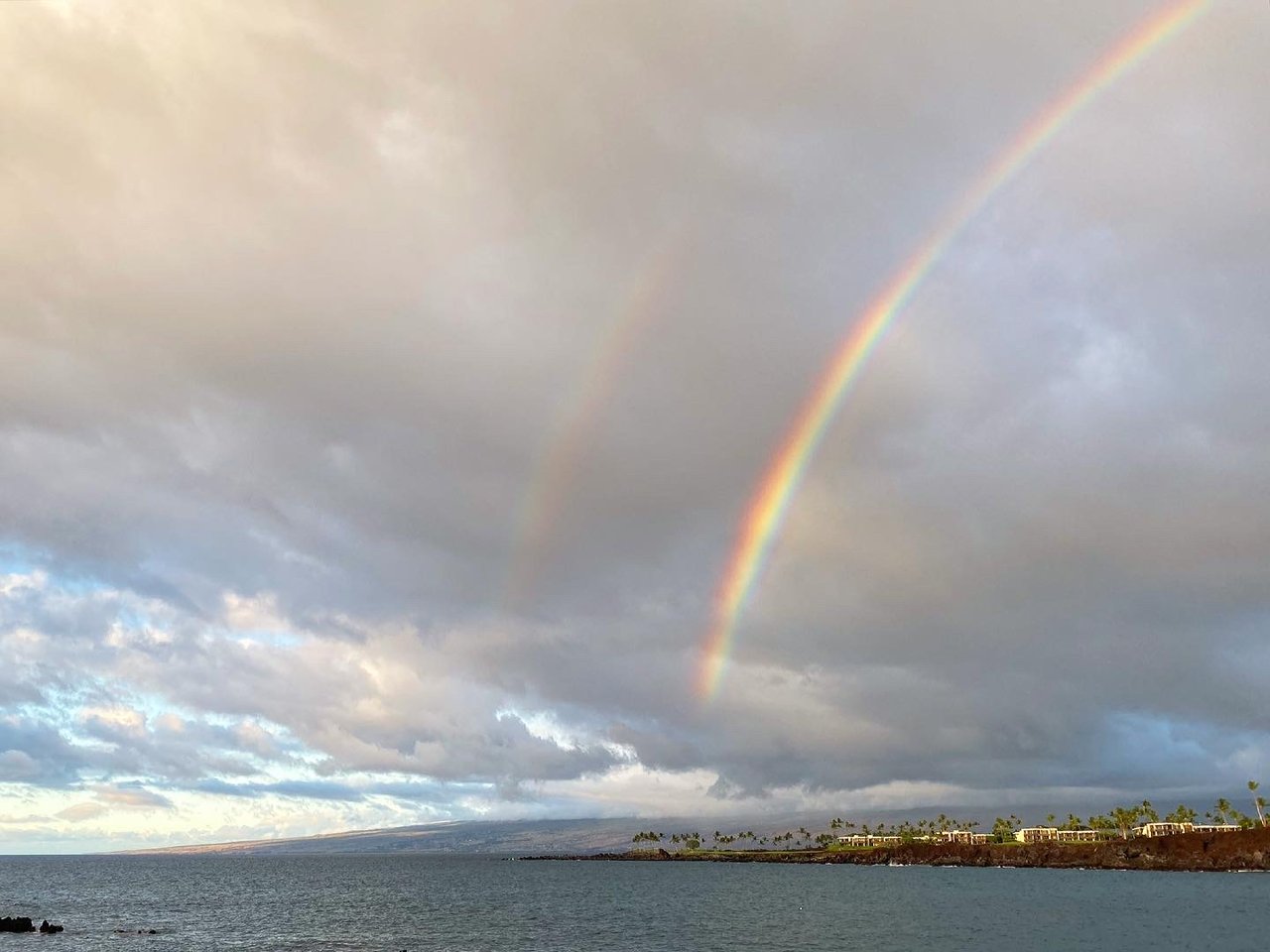
Coastal properties in Kailua‑Kona may also intersect with tsunami evacuation zones, coastal erosion, and long‑term sea‑level rise planning. Parcel‑level checks using local maps are essential. For homeowner preparedness and coastal context, see the Hawaiʻi Sea Grant homeowners handbook. Waimea’s higher elevation places most of the town outside tsunami inundation areas, though coastal access roads and lower pockets still require awareness.
Day to day in Waimea
Community, ranch, and arts
Waimea is known for its paniolo heritage and the enduring presence of Parker Ranch. That identity shows up in open pasture views, community events, and a lifestyle that favors space and privacy. You will also find an active arts scene and local makers.
Saturday mornings often center on the Waimea Town Market at Parker School, a favorite stop for fresh produce and artisan foods. Check the weekly schedule and vendors via the Waimea Town Market page. The result is a grounded, community‑first rhythm that feels easy to live with year‑round.
Routine and conveniences
Daily life in Waimea usually means more driving between destinations and quieter evenings. You can find small grocery and retail clusters, specialty shops, and equestrian support services. If you value acreage, gardening, or keeping horses, Waimea often fits that wish list. Healthcare is anchored by Queen’s North Hawaiʻi Community Hospital in town, which serves the northern half of the island. See their facility details through this NPI reference page.
Day to day in Kailua‑Kona
Ocean access and activity
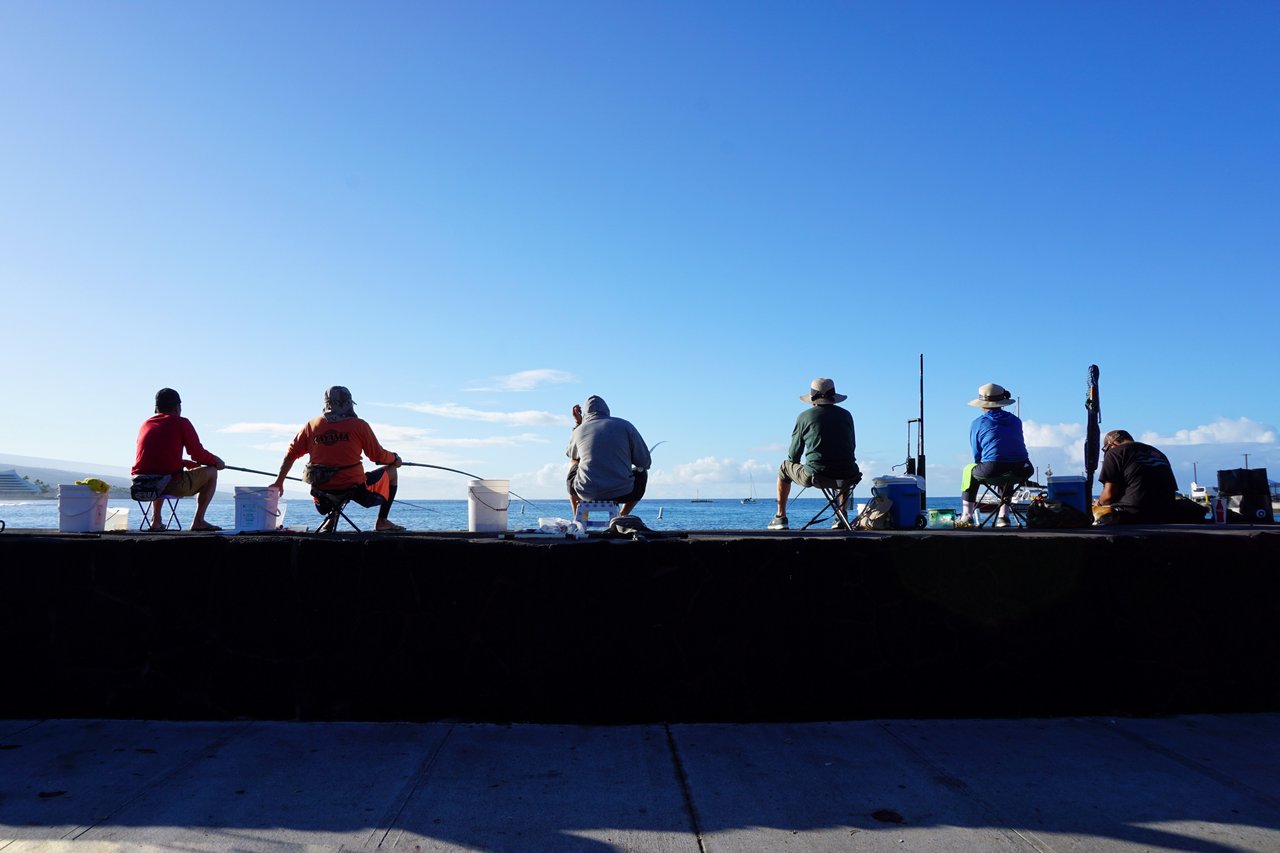
Kailua‑Kona frames a true coastal lifestyle. You are close to snorkeling, diving, surf breaks, and boating. If you want to fit a beach swim or paddle into most mornings, this corridor makes it easy. For an overview of popular spots, explore this local snorkeling guide.
Services, shopping, and travel
Kona serves as the west‑side commercial hub, with a larger retail footprint, grocery chains, and a broad range of clinics and services. Travel is straightforward, with Kona International Airport a short drive from many neighborhoods. Healthcare access includes Kona Community Hospital and nearby specialty clinics. You can find a helpful overview of the hospital through this local provider resource.
Housing and property types
Waimea homes and land
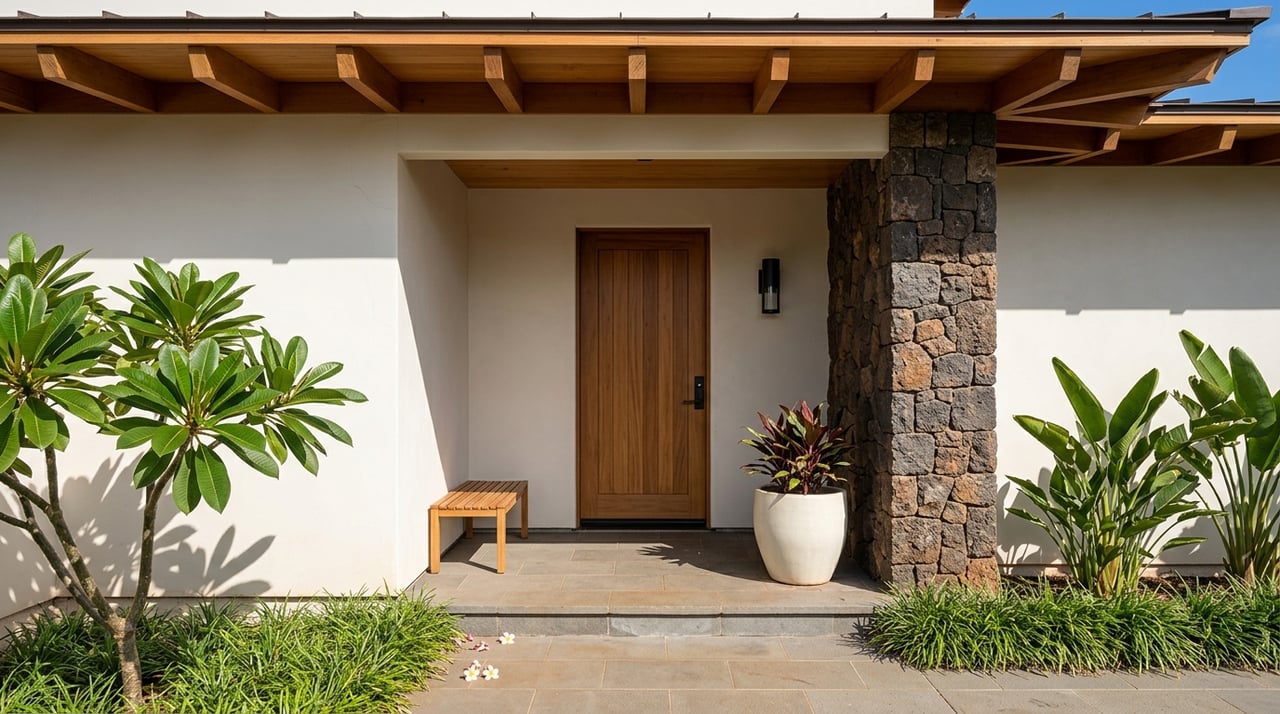
In Waimea, you will see single‑family ranch and farmhouse styles, custom homes on larger lots, and gated ranch subdivisions. Many properties are set up for agricultural use with paddocks, barns, or outbuildings. If you want space, privacy, or a hobby‑farm setup, Waimea often aligns well.
Kailua‑Kona homes and condos
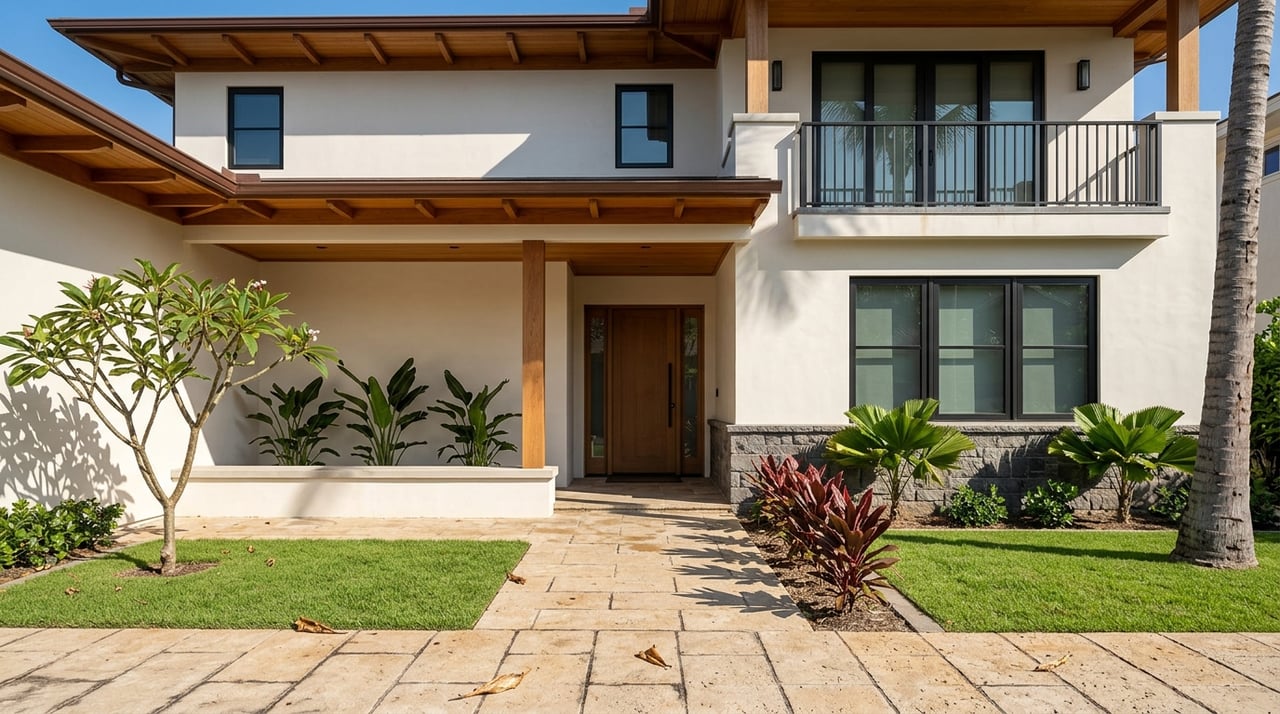
In Kailua‑Kona, you will find oceanfront and near‑coast condos, compact single‑family neighborhoods, and modern hillside homes with ocean views. Condo living near Aliʻi Drive or Keauhou puts beaches and restaurants within a short drive or walk. Farther mauka, hillside homes often offer quieter streets and broad coastal vistas.
Market tendencies to expect
In general, ocean‑proximate homes and condos in Kailua‑Kona command a premium for location and vacation demand. Upcountry Waimea tends to offer more land for the price, often oriented toward full‑time living, privacy, and agriculture. Market behavior can shift quickly by neighborhood, view plane, flood or tsunami overlays, lava zone, and available inventory. A current MLS review with a local advisor is the best way to compare like‑to‑like options.
Practical buyer checklist
Use this quick list to pressure‑test your fit before you write an offer:
- Daily routine priorities. Rank what matters most: daily beach access, acreage, equestrian setup, proximity to airport and shopping, or a shorter commute to school or work.
- Parcel‑level hazards. Confirm the lava zone using the USGS map. For coastal areas, review tsunami evacuation designations and coastal erosion maps.
- Wastewater and utilities. Ask if the home is on municipal sewer, septic, or a cesspool. Track Hawaiʻi’s ongoing policy work on cesspool conversion and plan for upgrade timelines using this state legislative reference. Verify water source, power, and broadband at the parcel level.
- Zoning and tax status. Check whether the lot is agricultural, rural, or residential and what that means for permitted uses. Do not assume agricultural zoning equals agricultural tax classification without meeting county criteria.
- Schools and healthcare. Confirm school options and catchments with HIDOE and individual schools. For healthcare proximity, Waimea is served by Queen’s North Hawaiʻi Community Hospital while Kona residents use Kona Community Hospital and nearby clinics.
- Lifestyle trial. Spend at least one weekday and one weekend day in each area. Shop for groceries, test the commute at rush times, visit beaches or markets, and check cell and Wi‑Fi signal at the property.
Insurance, lending, and planning notes
- Hazard exposure can influence insurance availability and cost. Lenders may require proof of insurability, especially for properties in higher lava zones or coastal flood areas. Flag these early in your search and confirm with your lender and insurance broker.
- For coastal homes, include tsunami evacuation checks and sea‑level rise planning in your due diligence, along with flood and shoreline permits where relevant.
- In upcountry settings, confirm water source, rainwater catchment details, and any agricultural structures. In Kona, ask about salt‑air maintenance, corrosion, and wind exposure near the coast.
Which lifestyle fits you?
Choose Waimea if you want crisp evenings, community traditions, and room to spread out. It fits buyers who value land, privacy, equestrian life, or a quieter pace supported by local markets and arts. Choose Kailua‑Kona if you want easy ocean access, short hops to restaurants and shopping, and a bigger services hub.
If you are still on the fence, schedule paired days in both places. Spend a sunrise at the beach in Kona, then a cool Waimea evening under clear stars. That contrast usually makes the answer clear.
How Kristen helps you decide
A local advisor can make the tradeoffs simple. Here is how a boutique, high‑touch process supports you:
- Prioritize your values. In a short discovery call, you will rank climate, land, commute, ocean access, school proximity, and maintenance tolerance.
- Run parcel checks. Hazard zones, tsunami overlays, wastewater status, zoning, title, tax, and permit histories are reviewed or coordinated with the appropriate professionals, including the USGS hazard reference.
- Coordinate technical inspections. From wells and rainwater catchment to agricultural structures and coastal foundations, you will have inspectors who know West Hawaiʻi conditions.
- Compare on the ground. Back‑to‑back showings in Waimea and Kona let you test morning light, drive times, shopping loops, and evening wind patterns before you decide.
When you are ready to explore both lifestyles with a trusted guide, connect with Kristen Matthews for a friendly consult and a plan that fits your goals.
FAQs
Is Waimea cooler than Kailua‑Kona?
- Yes. Waimea’s higher elevation brings cooler nights and a more temperate daytime feel compared to Kailua‑Kona near sea level.
How long is the drive between Waimea and Kailua‑Kona?
- Plan for about 35 to 65 minutes depending on route and traffic, which is practical for errands but not a shared daily neighborhood.
What home types are common in Waimea and Kailua‑Kona?
- Waimea favors single‑family homes on larger lots, often with agricultural setups, while Kailua‑Kona offers condos near the coast, compact neighborhoods, and hillside homes with views.
Do lava or coastal hazards affect buying in West Hawaiʻi?
- They can. Lava zones and coastal flood or tsunami overlays may influence insurance and lending, so verify a parcel’s designations early in due diligence.
Where are the nearest hospitals for each area?
- Waimea residents use Queen’s North Hawaiʻi Community Hospital in town, while Kailua‑Kona residents use Kona Community Hospital and nearby clinics.