Wondering if Mililani fits the way you live, work, and play on Oahu? If you want planned neighborhoods, multiple pools and parks, and a reasonable commute to town, this Central Oahu suburb is worth a close look. In this guide, you’ll learn how Mililani is laid out, what homes you’ll find, how long the commute typically runs, and the day‑to‑day amenities that shape life here. You’ll also get a practical checklist to help you decide with confidence. Let’s dive in.
Mililani at a glance
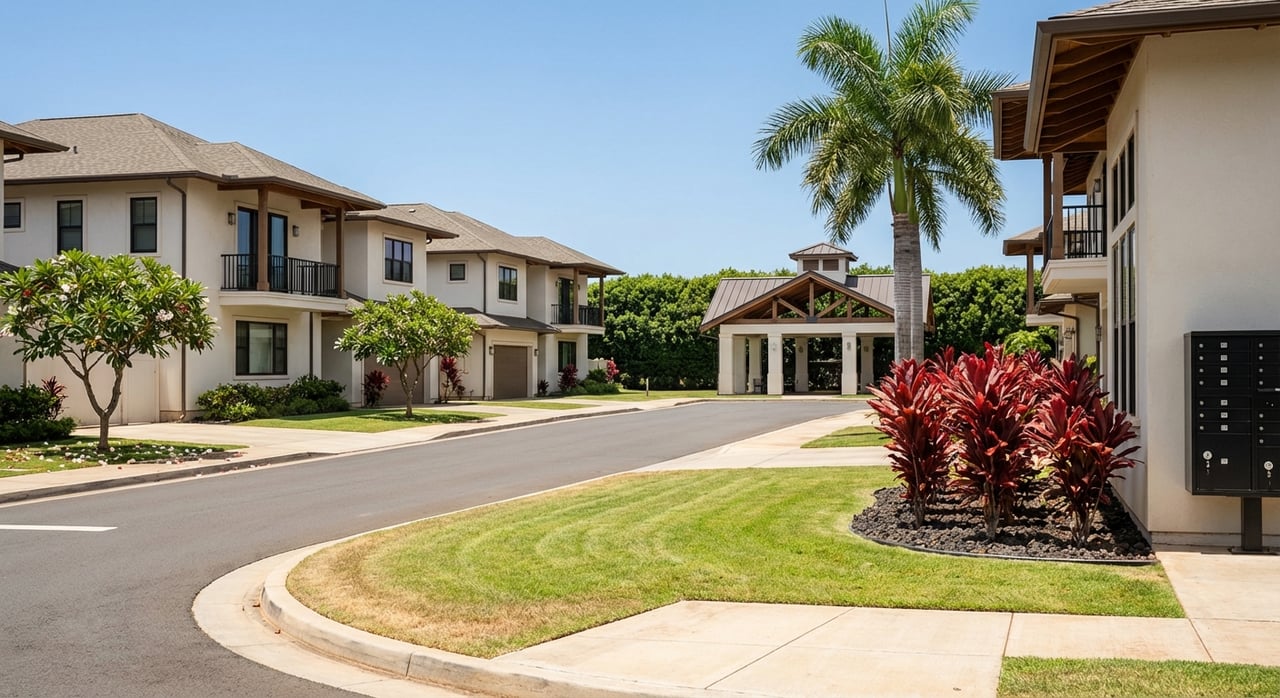
Mililani is a master‑planned community in Central Oahu with two main areas: Mililani Town to the west of H‑2 and the newer Mililani Mauka to the east. Planning histories show development began in 1968 and followed a comprehensive suburban plan with neighborhood parks, schools, and town centers mapped in from the start. You can see this planning context in the City and County of Honolulu’s code and planning documents that describe Mililani’s growth and road network over time (planning background).
By the 2020 census, Mililani Town recorded 28,121 residents and Mililani Mauka 21,075, for a combined population of about 49,196. Owner‑occupancy is high: about 81 percent in Mililani Town and about 75 percent in Mililani Mauka. The ACS also reports median values of owner‑occupied homes around $923,900 in Town and $988,100 in Mauka, with mean commute times of about 29 to 30 minutes in both areas (Census QuickFacts). These are helpful baseline indicators for the housing stock and daily patterns.
Housing mix and what to expect
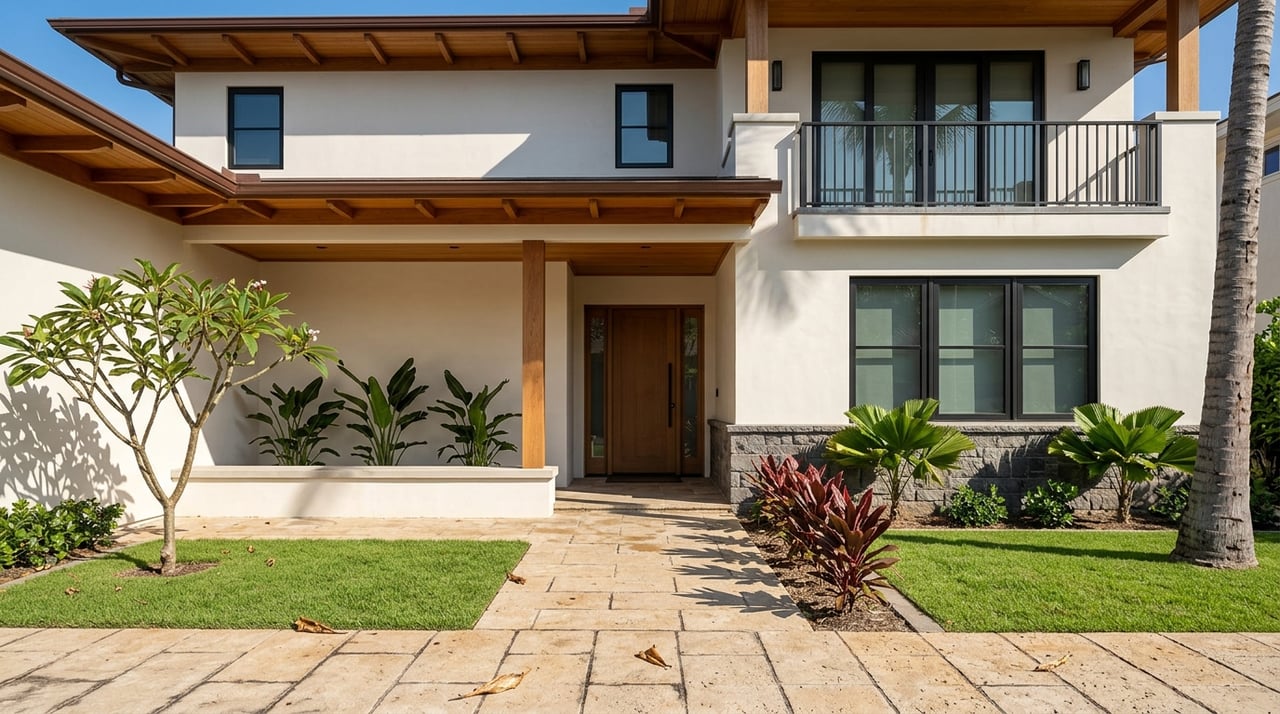
Mililani offers a wide range of options, from single‑family homes with yards to townhomes and garden‑style condos. Many communities cluster around parks, the golf course, and schools, which helps keep everyday life compact and convenient.
Single‑family neighborhoods
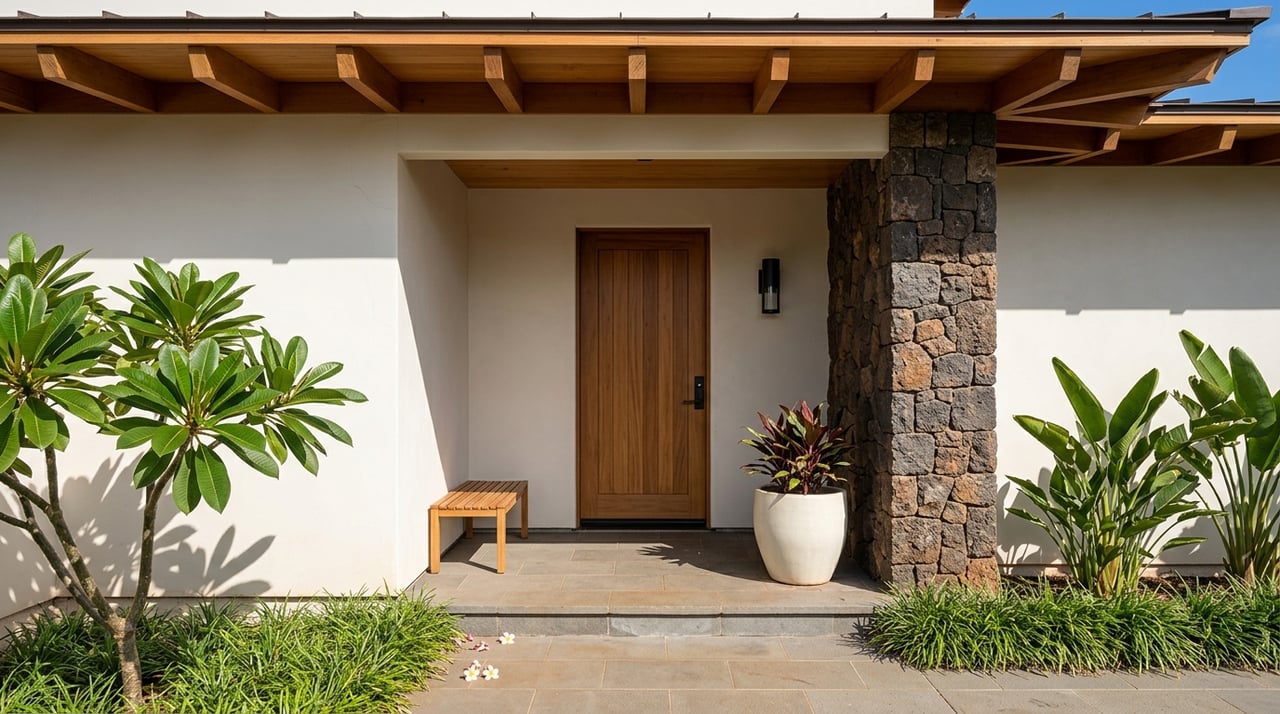
You’ll see a large share of low‑density, single‑family homes in Mililani Town, with later phases added in Mililani Mauka starting in the early 1990s. High owner‑occupancy supports a stable, neighborhood feel. Lots are planned with sidewalks, cul‑de‑sacs, and quick access to parks or rec centers, which many buyers value for daily routines.
Townhomes and condos
Mililani also has many townhome and condo communities, including garden‑style buildings near parks and the Mililani Golf Club. These homes often provide a lower entry price than single‑family homes, along with exterior maintenance handled by an association. Keep in mind that monthly maintenance fees vary by building and may include amenities, insurance, and reserves. Some communities have rental or pet rules, so review the house rules early in your search.
Reading the price signals clearly
Price indicators can look different depending on the data source and method. Here are a few examples from late 2025 that illustrate the range:
- The ACS “median value of owner‑occupied housing units” is about $923,900 in Mililani Town and about $988,100 in Mililani Mauka. This is a survey estimate of the housing stock, not a current sale price snapshot (QuickFacts baseline).
- The Zillow Home Value Index for “Mililani” was about $853,682 through December 2025. This is an automated index that smooths seasonality and mixes property types.
- Consumer market snapshots showed median sale prices in the mid‑$500k to low‑$600k range during 2025, depending on the source and whether the figure covered single‑family only or all residential sales.
Each metric answers a different question. When you compare homes, note whether you’re looking at a survey estimate, an index, or actual closed sales over a set period. For a current read on closed prices and inventory mix, consult local MLS reports or tools that track rolling 12‑month medians and splits by property type. Aggregators like PropertyFocus can help you see trend lines at a glance (recent market trends view).
Amenities that shape daily life
Mililani’s community infrastructure is a major draw, especially if you want pools, sports programs, and neighborhood events without long drives.
Mililani Town Association benefits
The Mililani Town Association (MTA) operates seven recreation centers across the community. Facilities include multiple pools, kiddie pools, indoor courts and gyms, playgrounds, pavilions, and classes for aquatics, youth, and seniors. Recreation Center 7 is the largest, with a heated saline lap pool and an on‑site café, and serves as a hub for fitness and gatherings (Rec 7 details). Many properties in Mililani participate in the MTA system, and residents obtain ID cards for access.
MTA assessments are typically billed quarterly. Listings commonly report a quarterly amount in the roughly $140 to $165 range, though fees vary by property and can change over time. Always verify the current MTA assessment and any condo HOA fees during escrow. You can review membership policies, ID rules, and rental procedures on the association’s site (MTA membership and FAQ).
Parks, sports, and the outdoors
Beyond the rec centers, you have City parks like Mililani District Park for organized sports, open grass, and courts. The Patsy T. Mink Central Oahu Regional Park, a major facility for the region, is also nearby and serves a wide range of activities through the City’s Department of Parks and Recreation (City DPR reference). Golfers have access to Mililani Golf Club and other Central Oahu courses.
Shopping and services
Daily errands are straightforward. Mililani Town Center, Mililani Shopping Center, Mililani Marketplace, and Gateway at Mililani Mauka provide grocery stores, fitness, casual dining, and services. Weekend markets and seasonal events pop up throughout the year, giving the area a small‑town rhythm within a larger metro.
Getting around and commuting
You connect to the rest of Oahu via the H‑2 freeway, with the H‑1 interchange linking you to Downtown Honolulu, Ala Moana, and the airport. This is the primary corridor for peak commuting to the Primary Urban Center and to nearby military installations. Planning documents detail the H‑2/H‑1 network and Central Oahu road patterns (transportation context).
- Public transit. TheBus serves Mililani with express and limited‑stop routes. Examples include commuter routes like the 84/84A and 98/98A/99 that connect to Wahiawa, Kapolei, and Downtown. Park‑and‑ride options at the Mililani Transit Center support bus commutes. Check current timetables before you rely on a specific run (TheBus route list).
- Typical travel time. The ACS reports a mean commute of about 29 to 30 minutes for Mililani Town and Mauka residents, which aligns with a common 30 to 50 minute door‑to‑door window to central Honolulu depending on start time, incidents, and parking (Census commute baseline).
- Proximity to key employers. Many military‑affiliated buyers choose Mililani due to short drives to Wheeler Army Airfield and Schofield Barracks, and moderate access to Joint Base Pearl Harbor‑Hickam and Fort Shafter. Your route, gate, and shift will influence actual times, so test the drive during your normal schedule.
How Mililani compares on Oahu
If you are choosing between suburban Mililani and a more urban or coastal setting, it helps to look at structure and trade‑offs.
- Urban Honolulu has more renters and denser condo living. The owner‑occupied rate sits around 48.9 percent, and the ACS median value of owner‑occupied housing units is about $843,400. You trade more immediate access to city conveniences and coastline for higher density and less single‑family stock (Urban Honolulu QuickFacts).
- Mililani is planned suburban. You gain higher owner‑occupancy, multiple rec centers, and neighborhood parks woven into daily life. The trade‑off is distance from the beach and a commute that varies with H‑2 traffic.
- Coastal communities offer a different daily flow. If you prioritize living steps from the beach and a strong coastal lifestyle, a Windward or North Shore neighborhood will feel different from the Central Oahu plateau. Many buyers compare commute tolerance against daily access to sand and surf.
Who Mililani tends to serve well
- Households who value planned neighborhoods, parks, and pools close to home.
- Professionals who accept a modest commute for quieter residential streets.
- Military‑affiliated buyers who want short drives to nearby bases and stable, owner‑occupied neighborhoods.
If you have school‑age children, confirm the Hawaii DOE school boundary for any address during your search. Mililani High School is the district high school, and its NCES profile is a helpful starting point for enrollment and staffing information (Mililani High NCES profile).
Buyer checklist for Mililani
Use this quick list to pressure‑test fit and budget before you write an offer.
- Commute tolerance. Test your drive during your actual start and end times. If you plan to bus, confirm express routes and park‑and‑ride options on TheBus site, and monitor schedule changes (TheBus routes).
- School boundary confirmation. Verify the Hawaii DOE attendance area for any property address and review official enrollment information. Start with the NCES profile for Mililani High School to understand size and staffing (NCES profile).
- HOA and MTA assessments. Confirm the current MTA quarterly assessment and any condo maintenance fees. Review MTA membership rules and facility policies early (MTA FAQ).
- Property type trade‑offs. Single‑family homes offer more privacy and yard space. Townhomes and condos can lower your entry price, but you should evaluate monthly fees, reserves, and any rental or pet policies.
- Resale and timing. Mililani attracts steady buyer interest from families and military households, yet short‑term pricing still tracks island‑wide trends. For a real‑time view, use MLS data and trend trackers that split single‑family and condo segments (trend snapshots).
Costs to plan for beyond price
- Mililani Town Association. Many properties participate in the MTA. Quarterly assessments are commonly reported in the roughly $140 to $165 range, though amounts vary by property and change over time. Verify exact amounts during escrow and review what the fee covers (MTA policies and fees).
- Condo and townhome HOA fees. These typically cover common area maintenance, some insurance, and reserves. Compare fees and inclusions across buildings, and factor them into your monthly affordability.
- Utilities and maintenance. Central Oahu’s climate is temperate compared with some coastal microclimates. Ask for recent utility averages and review any irrigation or pool costs if you are considering a home with larger landscaping or a private pool.
Bottom line: Is Mililani right for you?
If you want a planned, suburban setting with multiple pools and parks, high owner‑occupancy, and a commute that is manageable most days, Mililani delivers strong everyday value. You trade immediate beach access for convenience, community facilities, and quieter streets. The best way to decide is to match your daily routine and budget to the neighborhood’s layout, commute window, and association structure.
If you would like a tailored short list of Mililani homes, help clarifying fees, or a design‑minded plan for your move, connect with Kristen Matthews. Schedule a free consultation and get local guidance you can trust.
FAQs
What is Mililani’s typical commute to Honolulu during rush hour?
- The ACS shows a mean commute of about 29 to 30 minutes, but many drivers experience 30 to 50 minutes to central Honolulu depending on start time, incidents, and parking.
How do Mililani home prices compare across data sources?
- ACS median values for owner‑occupied homes are about $923,900 (Town) and $988,100 (Mauka). The Zillow Home Value Index was about $853,682 in Dec 2025, and consumer snapshots of median sales ranged from the mid‑$500ks to low‑$600ks, depending on property type and period.
Are most Mililani homes part of an association?
- Many are within the Mililani Town Association, which provides access to seven rec centers. Quarterly assessments are commonly reported around $140 to $165, but you should verify current amounts and any condo HOA fees with each property.
What amenities do Mililani residents use most?
- The MTA’s rec centers are a central draw, including pools, gyms, and programs. Recreation Center 7 features a heated saline lap pool and a café. City parks and the Central Oahu Regional Park support leagues, courts, and open space.
How does Mililani differ from coastal Oahu neighborhoods?
- Mililani offers planned suburban living, higher owner‑occupancy, and extensive community facilities. Coastal communities trade longer drives to central jobs for instant beach access and a different daily rhythm.
How can I confirm which public schools serve a Mililani address?
- Check the Hawaii DOE attendance boundary for the specific address and review enrollment details on official sources like the NCES profile for Mililani High School before you enroll.